Our new insect-related initiatives͏‌ ͏‌ ͏‌ ͏‌ ͏‌ ͏‌ ͏‌ ͏‌ ͏‌ ͏‌ ͏‌ ͏‌ ͏‌ ͏‌ ͏‌ ͏‌ ͏‌ ͏‌ ͏‌ ͏‌ ͏‌ ͏‌ ͏‌ ͏‌ ͏‌ ͏‌ ͏‌ ͏‌ ͏‌ ͏‌ ͏‌ ͏‌ ͏‌ ͏‌ ͏‌ ͏‌ ͏‌ ͏‌ ͏‌ ͏‌ ͏‌ ͏‌ ͏‌ ͏‌ ͏‌ ͏‌ ͏‌ ͏‌ ͏‌ ͏‌ ͏‌ ͏‌ ͏‌ ͏‌ ͏‌ ͏‌ ͏‌ ͏‌ ͏‌ ͏‌ ͏‌ ͏‌ ͏‌ ͏‌ ͏‌ ͏‌ ͏‌ ͏‌ ͏‌ ͏‌ ͏‌ ͏‌ ͏‌ ͏‌ ͏‌ ͏‌ ͏‌ ͏‌ ͏‌ ͏‌ ͏‌ ͏‌ ͏‌ ͏‌ ͏‌ ͏‌ ͏‌ ͏‌ ͏‌ ͏‌ ͏‌ ͏‌ ͏‌ ͏‌ ͏‌ ͏‌ ͏‌ ͏‌ ͏‌ ͏‌ ͏‌ ͏‌ ͏‌ ͏‌ ͏‌ ͏‌ ͏‌ ͏‌ ͏‌ ͏‌ ͏‌ ͏‌ ͏‌ ͏‌ ͏‌ ͏‌ ͏‌ ͏‌ ͏‌ ͏‌ ͏‌ ͏‌ ͏‌ ͏‌ ͏‌ ͏‌ ͏‌ ͏‌ ͏‌ ͏‌ ͏‌ ͏‌ ͏‌ ͏‌ ͏‌ ͏‌ ͏‌ ͏‌ ͏‌ ͏‌ ͏‌ ͏‌ ͏‌ ͏‌ ͏‌ ͏‌ ͏‌ ͏‌ ͏‌ ͏‌ ͏‌ ͏‌ ͏‌ ͏‌ ͏‌ ͏‌ ͏‌ ͏‌ ͏‌ ͏‌ ͏‌ ͏‌ ͏‌ ͏‌ ͏‌ ͏‌ ͏‌ ͏‌ ͏‌ ͏‌ ͏‌ ͏‌ ͏‌ ͏‌ ͏‌ ͏‌ ͏‌ ͏‌ ͏‌ ͏‌ ͏‌ ͏‌ ͏‌ ͏‌ ͏‌ ͏‌ ͏‌ ͏‌ ͏‌ ͏‌ ͏‌ ͏‌ ͏‌ ͏‌ ͏‌ ͏‌ ͏‌ ͏‌ ͏‌ ͏‌ ͏‌ ͏‌ ͏‌ ͏‌ ͏‌ ͏‌ ͏‌ ͏‌ ͏‌ ͏‌ ͏‌ ͏‌ ͏‌ ͏‌ ͏‌ ͏‌ ͏‌ ͏‌ ͏‌ ͏‌ ͏‌ ͏‌ ͏‌ ͏‌ ͏‌ ͏‌ ͏‌ ͏‌ ͏‌ ͏‌ ͏‌ ͏‌ ͏‌ ͏‌ ͏‌ ͏‌ ͏‌ ͏‌ ͏‌ ͏‌ ͏‌ ͏‌ ͏‌ ͏‌ ͏‌ ͏‌ ͏‌ ͏‌ ͏‌ ͏‌ ͏‌ ͏‌ ͏‌ ͏‌ ͏‌ 
Sustainability Matters

A monarch caterpillar near the Making Trash Bloom pilot plot at the Shenandoah County Landfill

It’s been buggy lately…

…and we mean that in a good way.

Much of what we do - planting, encouraging, and educating about native habitat - is, quite literally, for the bugs. Insects pollinate most of our own food, as well as representing the lowest (and hence most vital) protein source on our ecosystem’s food chain. Native insects depend on native host plants to survive, and the best measure of habitat success is a bumper crop of bugs.

Read on to learn about our new insect-related initiatives: the first annual Big Bug Bioblitz at the Shenandoah County Landfill and the Mowing for Monarchs project.

Big Bug Bioblitz

The Smithsonian Conservation Biology Institute, Natural Resources Conservation Service, & the State Arboretum of Virginia

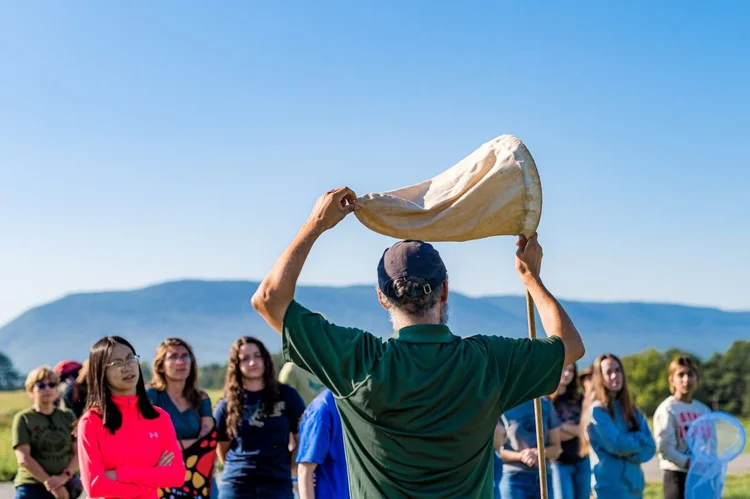
recently partnered with our Science Team and Mountain Vista Governor’s School to host the first annual Big Bug Bioblitz:

a massive morning of collection, documentation, and fun, led by Smithsonian entomologist Jim McNeil.

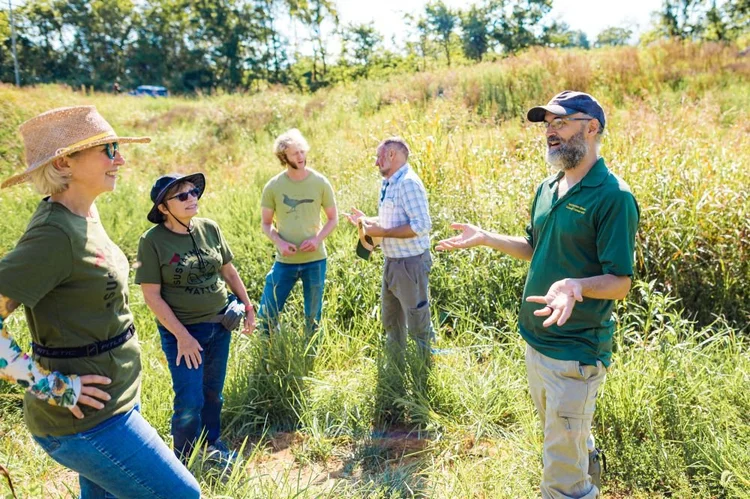
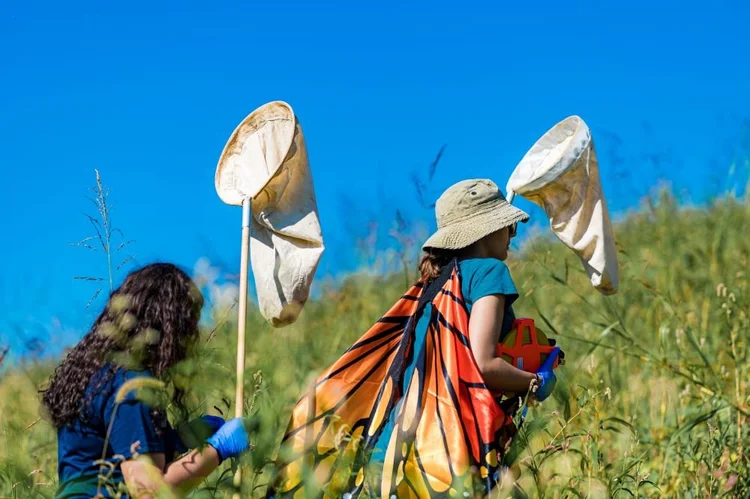
Some people even came dressed for the occasion.

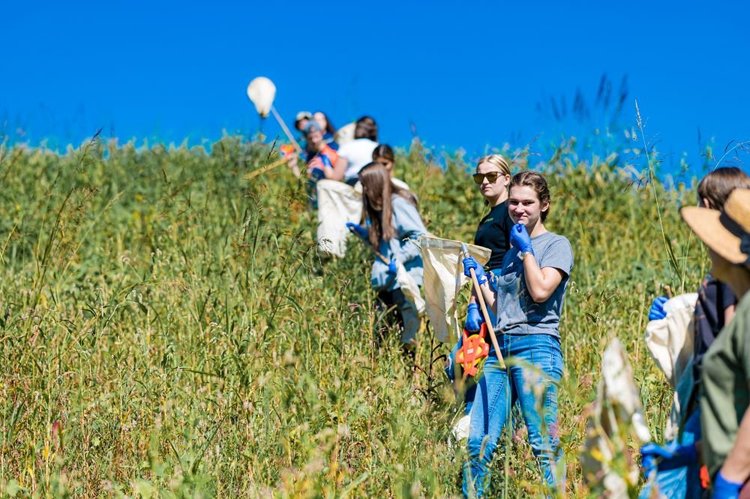
The teams surveyed insects from the original Making Trash Bloom pilot plot, the Phase 2 Making Trash Bloom site, and a control site.

The product of the Bioblitz - coolers full of ziploc’ed insects - waits in the Smithsonian’s freezer, to be analyzed this fall or winter.

The resultant data will be vital to creating scalable models for both Making Trash Bloom and our new project, Mowing for Monarchs.

If our Science Team intrigues, read more about them, Making Trash Bloom science, and how you can get involved!

Mowing for Monarchs

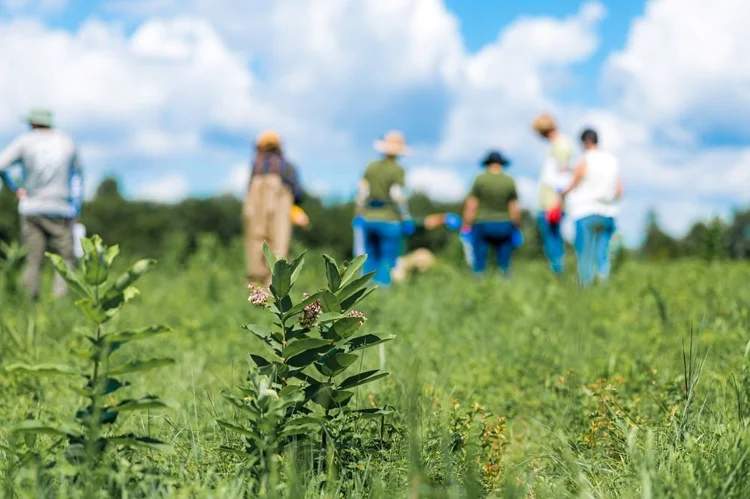
Surveying the Mowing for Monarchs test area during the Big Bug Bioblitz

You’ve probably heard that the iconic migratory monarch butterfly (Danaus plexippus) was recently moved to the endangered “Red List” by the International Union for Conservation of Nature. This has been coming for a long time, due to loss of habitat (including milkweed, monarch caterpillars' only food source), climate change (which disrupts long-established migratory patterns), and broad-spectrum pesticide use. All season on social media (Facebook, Instagram, Twitter), we’ve been posting #MonarchMonday tips on how to help these lovely lepidopterans.

We also have a new project, Mowing for Monarchs. Throughout the mid-Atlantic region, countless acres of public, industrial, and mixed use land lie fallow, waiting to be used “eventually.” Much of this land was initially planted with turfgrass, and is now a mixture of grass, invasive plants, and native wildflower “volunteers” where little else blooms. It’s usually mowed in high summer, when pollinators most need the native plants. We’re working to devise a more conservation-friendly maintenance schedule for such lands, optimizing across the needs of summer pollinators like monarchs, those of other beneficial insects who overwinter in hollow plant stems, and the demands of invasive plant control. Our laboratory is the Shenandoah County Landfill, which was also the site where we piloted the Making Trash Bloom project. The eventual “Mowing for Monarchs” plan will serve as a template for similar spaces, scaling its impact exponentially. 

The over 70 acres mowed annually by the Shenandoah Landfill possess a particularly strong seedbank of monarchs’ main host plant, common milkweed (Asclepias syriaca). This year, with our guidance, landfill staff have been mowing a test area in strips, at different timing intervals. The test area was surveyed during the Big Bug Bioblitz… though, don’t worry, monarchs were only counted, not ziploc’ed!

Media Roundup

Catch up on all the coverage of the Bioblitz and Mowing for Monarchs:

  • NPR

  • Northern Virginia Daily

  • WHSV-TV

  • The River 95.3

Don’t miss the seeding parties!

We’re inviting Sustainability Matters members, volunteers, and community partners to celebrate the new Making Trash Bloom sites with us this fall.

Members and volunteers, keep an eye out for your invitations!

Not a member yet? Become one now, and help us make trash bloom. We can’t do it without your support.

 JOIN US AS A MEMBER 

New to the SM family? Get to know us.

Miss our last e-news? Catch up here.

And now for some bad, bad bugs…

animation of an outsized spotted insect crawling up the Empire State Building

As spotted lanternfly takes Manhattan, sign up for our new webinar, Living with Spotted Lanternfly, to get the down & dewy on the century’s worst invasive insect

instagram youtube facebook twitter linkedin

Sustainability Matters, 822 Swover Creek Road, Edinburg, VA, 22824, United States

Sustainability Matters

Unsubscribe