Let’s celebrate the pollinator/native plant connection͏‌ ͏‌ ͏‌ ͏‌ ͏‌ ͏‌ ͏‌ ͏‌ ͏‌ ͏‌ ͏‌ ͏‌ ͏‌ ͏‌ ͏‌ ͏‌ ͏‌ ͏‌ ͏‌ ͏‌ ͏‌ ͏‌ ͏‌ ͏‌ ͏‌ ͏‌ ͏‌ ͏‌ ͏‌ ͏‌ ͏‌ ͏‌ ͏‌ ͏‌ ͏‌ ͏‌ ͏‌ ͏‌ ͏‌ ͏‌ ͏‌ ͏‌ ͏‌ ͏‌ ͏‌ ͏‌ ͏‌ ͏‌ ͏‌ ͏‌ ͏‌ ͏‌ ͏‌ ͏‌ ͏‌ ͏‌ ͏‌ ͏‌ ͏‌ ͏‌ ͏‌ ͏‌ ͏‌ ͏‌ ͏‌ ͏‌ ͏‌ ͏‌ ͏‌ ͏‌ ͏‌ ͏‌ ͏‌ ͏‌ ͏‌ ͏‌ ͏‌ ͏‌ ͏‌ ͏‌ ͏‌ ͏‌ ͏‌ ͏‌ ͏‌ ͏‌ ͏‌ ͏‌ ͏‌ ͏‌ ͏‌ ͏‌ ͏‌ ͏‌ ͏‌ ͏‌ ͏‌ ͏‌ ͏‌ ͏‌ ͏‌ ͏‌ ͏‌ ͏‌ ͏‌ ͏‌ ͏‌ ͏‌ ͏‌ ͏‌ ͏‌ ͏‌ ͏‌ ͏‌ ͏‌ ͏‌ ͏‌ ͏‌ ͏‌ ͏‌ ͏‌ ͏‌ ͏‌ ͏‌ ͏‌ ͏‌ ͏‌ ͏‌ ͏‌ ͏‌ ͏‌ ͏‌ ͏‌ ͏‌ ͏‌ ͏‌ ͏‌ ͏‌ ͏‌ ͏‌ ͏‌ ͏‌ ͏‌ ͏‌ ͏‌ ͏‌ ͏‌ ͏‌ ͏‌ ͏‌ ͏‌ ͏‌ ͏‌ ͏‌ ͏‌ ͏‌ ͏‌ ͏‌ ͏‌ ͏‌ ͏‌ ͏‌ ͏‌ ͏‌ ͏‌ ͏‌ ͏‌ ͏‌ ͏‌ ͏‌ ͏‌ ͏‌ ͏‌ ͏‌ ͏‌ ͏‌ ͏‌ ͏‌ ͏‌ ͏‌ ͏‌ ͏‌ ͏‌ ͏‌ ͏‌ ͏‌ ͏‌ ͏‌ ͏‌ ͏‌ ͏‌ ͏‌ ͏‌ ͏‌ ͏‌ ͏‌ ͏‌ ͏‌ ͏‌ ͏‌ ͏‌ ͏‌ ͏‌ ͏‌ ͏‌ ͏‌ ͏‌ ͏‌ ͏‌ ͏‌ ͏‌ ͏‌ ͏‌ ͏‌ ͏‌ ͏‌ ͏‌ ͏‌ ͏‌ ͏‌ ͏‌ ͏‌ ͏‌ ͏‌ ͏‌ ͏‌ ͏‌ ͏‌ ͏‌ ͏‌ ͏‌ ͏‌ ͏‌ ͏‌ ͏‌ ͏‌ ͏‌ ͏‌ ͏‌ ͏‌ ͏‌ ͏‌ ͏‌ ͏‌ ͏‌ ͏‌ ͏‌ ͏‌ ͏‌ ͏‌ ͏‌ ͏‌ ͏‌ ͏‌ ͏‌ 
Sustainability Matters

White yarrow (Achillea millefolium) & common buckeye butterfly (Junonia coenia)

Subscriber First Name, it’s National Pollinator Week!

Summer solstice kicks off Pollinator Week, a chance to celebrate those hard-working little friends who keep our gardens going and facilitate our food crops. We’re focusing on the native plant & pollinator connection this week, with daily buzz on Facebook, Instagram, and Twitter. It’s all in one place on our website: follow along with Scientific Programs Coordinator Hannah Bement’s new blog, What’s Blooming at the Landfill! For further pollinator planting strategy, check out our videos: Native Virginia Now, a year-long journey through a native meadow, and Greener than Grass, our how-to sustainable landscaping webinar.

There’s no better time than National Pollinator Week to introduce you to the spectacularly multi-talented Hannah, who’s recently joined our staff, as well as to our inspired Communications Director and social media butterfly, Sonia Zamborsky. Get to know them and some of our equally amazing volunteers on SM’s new Our Team page. Sustainability Matters is growing like a (native) weed, and we’ll be hiring more staff soon, so keep an eye out for job announcements!

A pollinator’s journey

Most pollinators are dependent on a native host plant, having evolved to eat only that plant. Spicebush swallowtail caterpillars’ genetically programmed snack is spicebush (Lindera benzoin) and its close relatives, sassafras and tulip poplar.

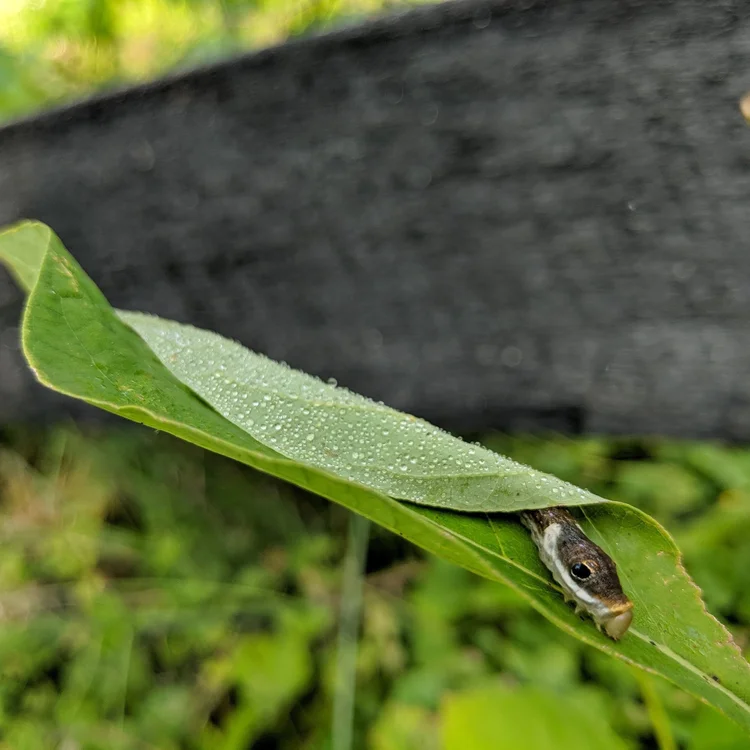
Tiny early instar (first stages) spicebush swallowtails (Papilio troilus) mimic bird droppings to appear unappetizing to predators. They hide inside spicebush leaves all day, emerging after dark to feed.

Later instars of this master of disguise will mimic snakes, complete with big false eyes and threatening posture. We’d be scared if we were birds.

Just before pupating, the caterpillars turn orange. Next stop: butterfly…who’ll make sure to lay her eggs on another spicebush, so the next generation can eat.

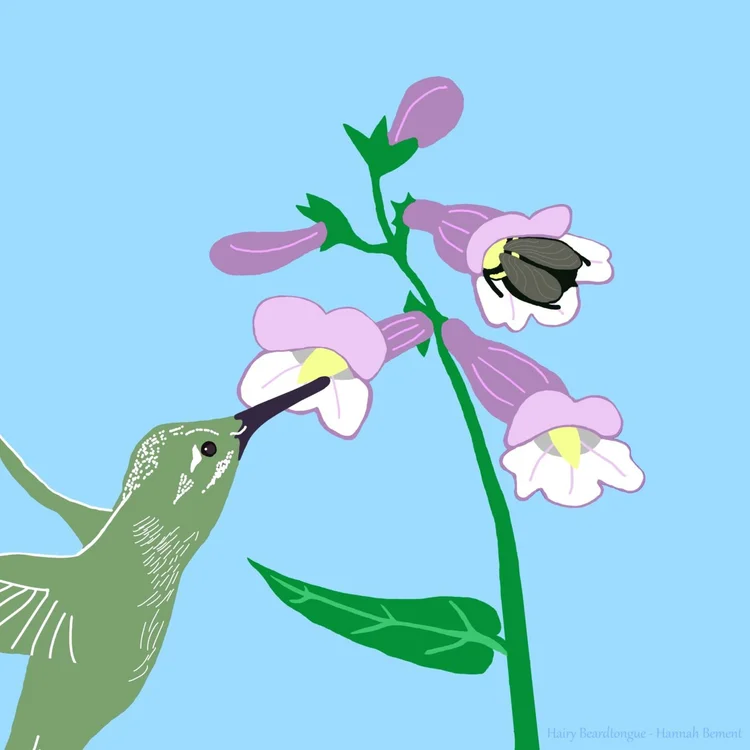
Hairy beardtongue (Penstemon hirsutus)

Latest Media Mentions

Lots of coverage of Sustainability Matters recently! Check out some highlights below (and yes, Haym, the SM spokescat, is reading about himself):

  • Mountain Courier cover story on SM’s rapid growth

  • Making Trash Bloom in Co-operative Living

  • Video of SM’s Executive Director, Sari Carp, interviewed on all topics sustainable by Eka Kapiotis of Front Royal Women’s Resource Center

Common milkweed (Asclepias syriaca) & monarch butterfly (Danaus plexippus)

Are you a Sustainability Matters Member yet?

Help us grow!

 JOIN US AS A 2022 MEMBER 

New to the SM family? Get to know us.

Lanceleaf coreopsis (Coreopsis lanceolata) & bicolored sweat bee (Agapostemon virescens)

instagram youtube facebook twitter linkedin

Sustainability Matters, 822 Swover Creek Road, Edinburg, VA, 22824, United States

Sustainability Matters

Unsubscribe